
The Ultimate Guide to Mental Wellness in Youth Sports: Everything Orlando Parents Need to Know in 2025
- Michael Bonneville
- Dec 19, 2025
- 4 min read
Here's the reality: your child's mental health is just as crucial to their athletic success as their physical training. Yet in 2025, many Orlando parents still focus solely on performance stats while missing the emotional struggles happening behind the scenes.
If you've noticed your young athlete seems stressed, withdrawn, or losing their love for the game, you're not alone. Youth sports mental health has become a critical issue, and parents need practical tools to help their kids thrive both on and off the field.
The Hidden Mental Health Crisis in Youth Sports
Youth athletes face unique psychological pressures that many parents don't fully understand. The competitive landscape in Central Florida has intensified, with early specialization, year-round training, and social media creating a perfect storm of mental health challenges.
Research shows that young athletes often mask emotional distress through physical complaints like fatigue or sleep issues. Instead of saying "I'm anxious about tomorrow's game," they might report headaches or stomach problems. These subtle signs are easy to dismiss as normal sports-related stress.
The personality traits that make great athletes: perfectionism, high achievement drive, and intense focus: can also make them more vulnerable to anxiety, depression, and burnout. When their identity becomes solely tied to their sport, any setback feels like a personal failure.
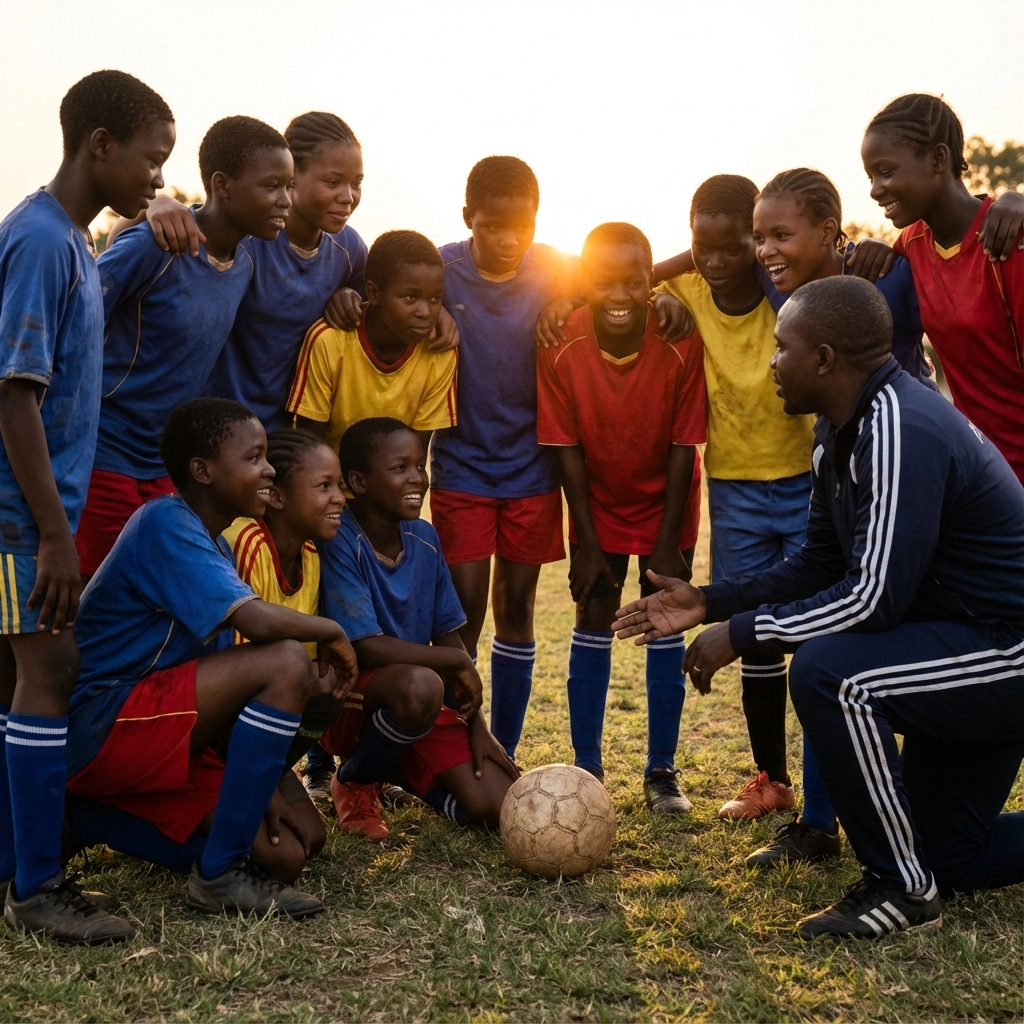
Warning Signs Every Orlando Parent Should Know
Mental health struggles in young athletes don't always look like you'd expect. Here are the key warning signs to watch for:
Performance-Related Changes:
Sudden drop in athletic performance without physical cause
Overthinking plays or techniques they previously mastered
Avoiding practice or making excuses not to participate
Extreme reactions to mistakes or losses
Emotional and Social Changes:
Persistent sadness or irritability, especially around sports
Withdrawal from teammates, friends, or family
Loss of interest in activities they once enjoyed
Increased conflicts at home or school
Physical Symptoms:
Changes in sleep patterns or appetite
Frequent complaints of headaches, stomach aches, or fatigue
Difficulty concentrating in school or other activities
Remember, these signs can appear gradually. Trust your instincts as a parent: you know your child best.
Building Confidence and Resilience: Practical Skills That Work
The good news? Mental wellness skills can be taught and practiced, just like athletic techniques. Here are evidence-based strategies that Orlando families are using successfully:
Focus on Process, Not Just Outcomes Instead of "Did you win?" try "What did you learn today?" or "How did you handle that tough moment?" This shift helps kids develop intrinsic motivation and resilience when facing setbacks.
Teach Emotional Regulation Techniques Help your child identify their emotions and develop healthy coping strategies. Deep breathing, visualization, and positive self-talk are tools they can use before, during, and after competition.
Create a Balanced Identity Encourage interests outside of sports. Whether it's academics, arts, or community service, having multiple sources of self-worth protects against the devastating effects of sports-related disappointments or injuries.
Model Healthy Attitudes Your reactions to wins, losses, and mistakes teach powerful lessons. Celebrate effort over results, show grace in defeat, and demonstrate that mistakes are learning opportunities.
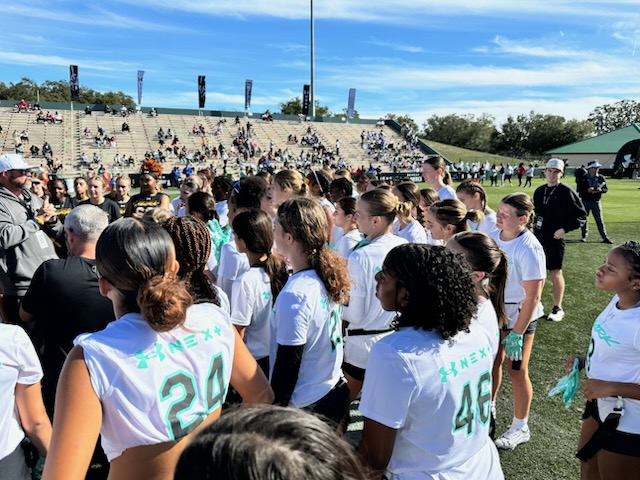
How MB Sports Academy Supports Mental Wellness
At MB Sports Academy, we understand that developing complete athletes means nurturing both physical and mental strength. Our holistic approach integrates mental wellness into every aspect of training:
Mentorship-Based Coaching Our coaches serve as mentors, not just instructors. They're trained to recognize mental health warning signs and create supportive environments where athletes feel safe expressing their struggles and celebrating their growth.
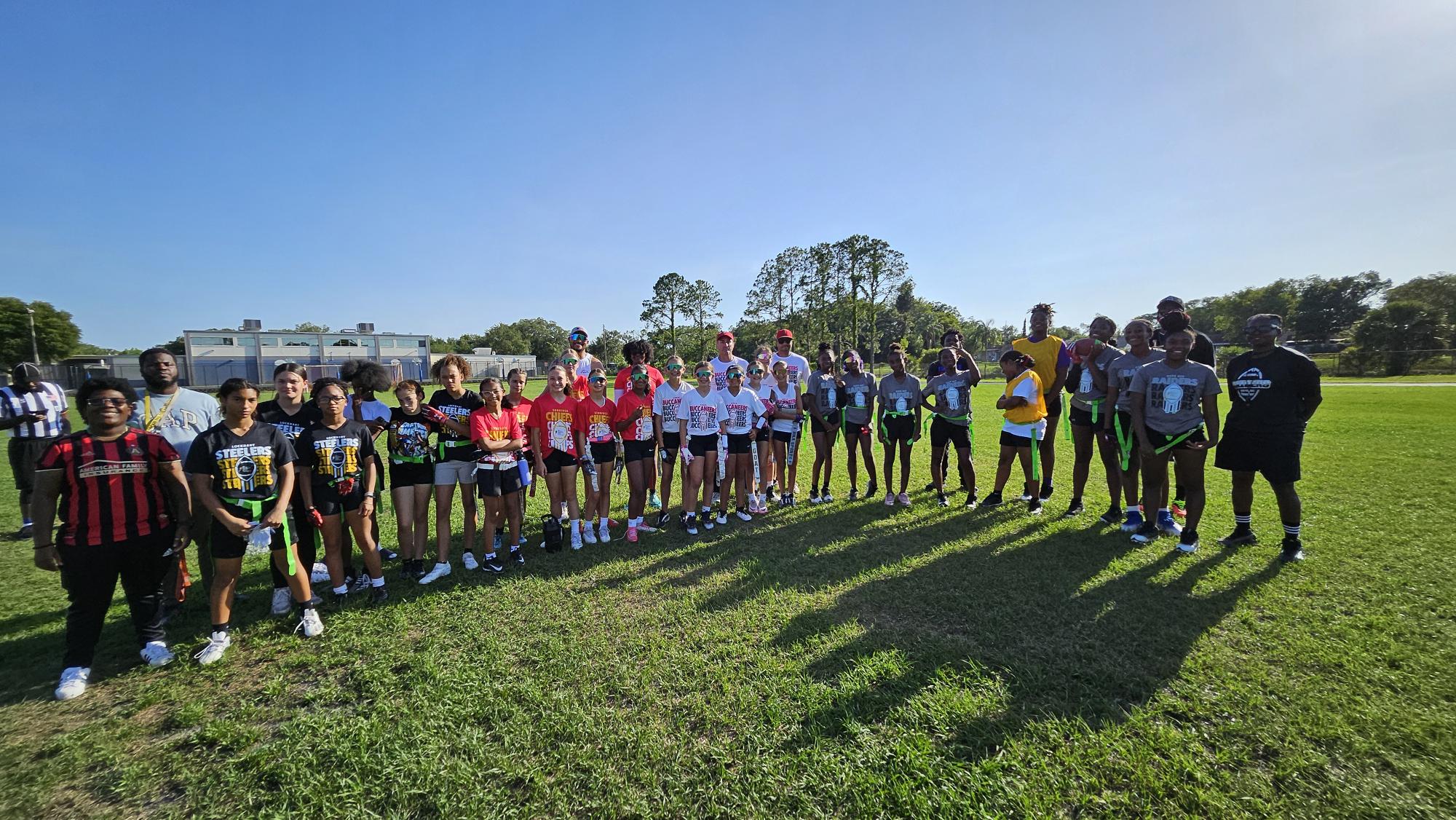
Multi-Sport Development By offering diverse athletic experiences, including our girls flag football programs, we help athletes develop well-rounded identities and transferable skills. This reduces the pressure of over-identification with a single sport.
Life Skills Integration Every training session includes elements that build confidence, leadership, and emotional intelligence. Athletes learn to set realistic goals, handle pressure, and support their teammates through challenges.
Family Partnership We work closely with parents to ensure consistent messages about mental health, goal-setting, and personal growth. Our approach extends beyond the field to support the whole family system.
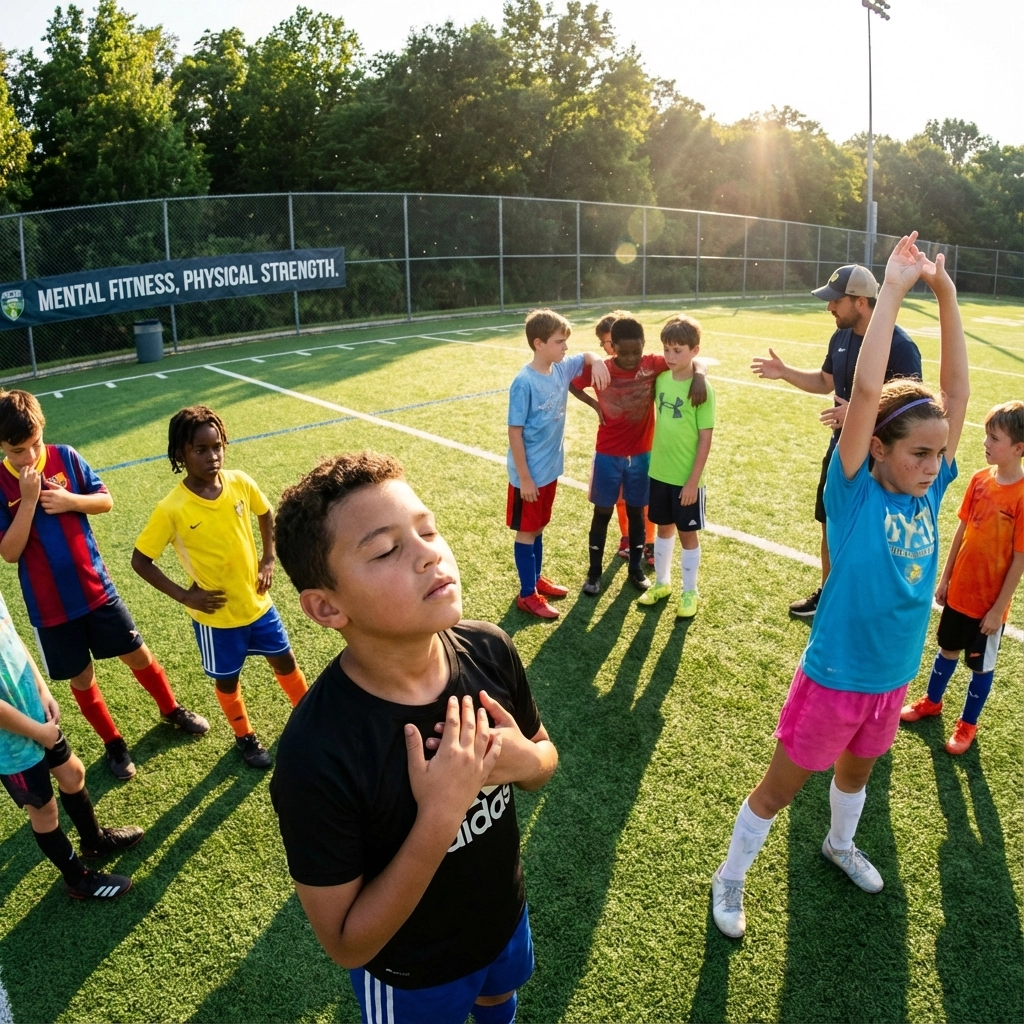
What to Look for in Healthy Youth Sports Programs
Not all sports programs prioritize mental wellness equally. When evaluating options in the Orlando area, ask these important questions:
About Coaching Philosophy:
How do coaches handle mistakes and losses?
Is there emphasis on effort and improvement, not just winning?
Are coaches trained in youth development and mental health awareness?
About Program Culture:
How do teammates support each other?
Are athletes encouraged to have interests outside their sport?
Is there open communication between coaches, parents, and athletes?
About Support Systems:
Are mental health resources available if needed?
How does the program handle athlete stress and burnout?
Is there a clear process for addressing concerns?
Programs that truly support mental wellness will welcome these questions and have clear, thoughtful answers.
Creating Your Mental Wellness Action Plan
Supporting your child's mental health in sports requires intentional, ongoing effort. Here's your practical starting point:
Immediate Steps:
Have an honest conversation with your child about how they're feeling about their sport
Assess whether their current program supports mental wellness
Establish regular check-ins about both performance and emotional well-being
Ongoing Support:
Normalize discussions about mental health alongside physical health
Connect with other parents who prioritize balanced youth sports experiences
Stay informed about mental health resources in the Orlando community
When to Seek Help: If your child shows persistent signs of mental health struggles, don't wait. Connect with school counselors, sports psychologists, or mental health professionals who understand youth athletics.
The Bottom Line for Orlando Families
Mental wellness in youth sports isn't a luxury: it's essential for your child's success and happiness. The skills they learn managing pressure, building resilience, and maintaining balance will serve them far beyond their playing days.
The right program will celebrate your child as a complete person, not just an athlete. They'll build confidence through supportive coaching, develop friendships through teamwork, and learn life skills that translate to every area of their life.
Your child deserves to love their sport while growing into a mentally healthy, resilient young adult. By prioritizing mental wellness alongside physical development, you're giving them the foundation for lifelong success both on and off the field.
Ready to explore how MB Sports Academy's holistic approach can support your child's complete development? Contact us for a consultation to discuss how we can help your young athlete thrive mentally, emotionally, and athletically.
Comments