Stop Wasting Money on Single-Sport Training: 5 Multi-Sport Hacks That Actually Work
- Michael Bonneville
- Dec 17, 2025
- 4 min read
Here's the uncomfortable truth: if you're paying for year-round single-sport training for your 7-17 year old, you're probably throwing money down the drain.
While other parents are shelling out thousands for specialized coaches, expensive camps, and sport-specific training programs, smart families are getting better results for less money. The secret? Multi-sport training strategies that actually work.
Let's cut through the noise and show you exactly how to stop overspending while developing better athletes.
Hack #1: The Season Rotation Strategy
The Problem: Year-round baseball training costs $3,000-5,000 annually. Add in the inevitable overuse injuries, and you're looking at physical therapy bills that can double your investment.
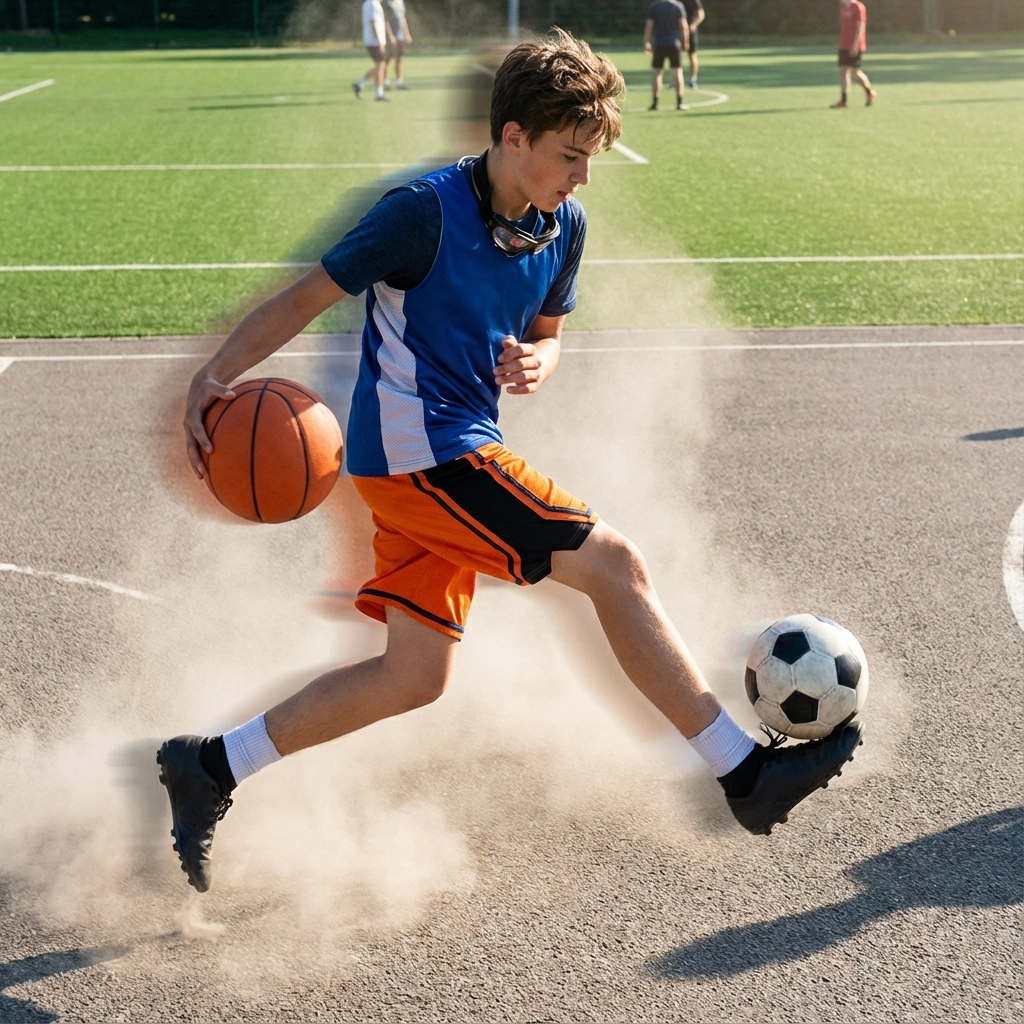
The Hack: Rotate sports by season instead of specializing. Fall soccer, winter basketball, spring track, summer swimming. This approach naturally builds recovery periods for different muscle groups while keeping costs predictable.
Here's why it works: When your baseball player runs track in the spring, they're building the explosive power and speed that will make them unstoppable on the diamond. When they play basketball in winter, they're developing hand-eye coordination and quick decision-making skills that translate directly to better batting and fielding.
The financial win? You're paying for one sport per season instead of year-round specialized training, and you're preventing the overuse injuries that plague 70% of single-sport athletes.
Hack #2: Turn Every Sport Into Cross-Training
The Problem: Hiring specialized strength and conditioning coaches for sport-specific training can cost $100-200 per session.
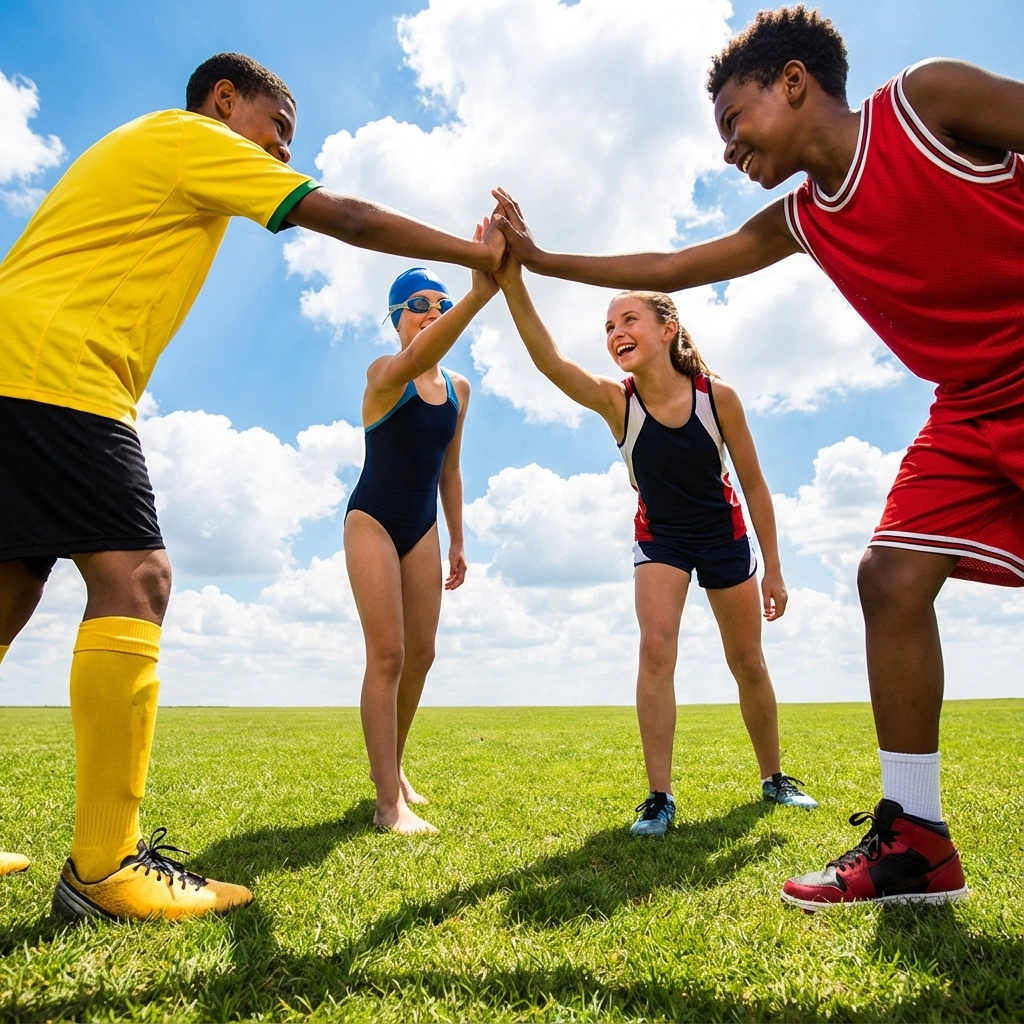
The Hack: Use different sports as built-in cross-training systems. Swimming builds upper body strength for throwing sports. Soccer develops cardiovascular endurance and footwork for basketball. Wrestling builds core strength and mental toughness for football.
This isn't just theory: it's practical application. A swimmer who plays water polo develops the explosive power needed for faster starts. A soccer player who runs track improves their stride efficiency and speed endurance. A basketball player who practices martial arts gains better body control and balance.
The beauty? Each sport naturally strengthens the skills needed in others, without paying extra for specialized training. You're essentially getting professional-level cross-training at recreational sport prices.
Hack #3: Build the Foundation Early (Save Money Later)
The Problem: Many parents skip fundamental movement training, then pay premium prices for corrective training when their teenager struggles with basic athletic skills.
The Hack: Invest in fundamental movement skills through diverse sports when kids are young (ages 7-12). This prevents expensive remedial training later.
Think of it as athletic insurance. A young athlete who develops coordination through gymnastics, balance through skateboarding, and spatial awareness through martial arts is building an athletic foundation that will serve them in any sport they choose.
At MB Sports Academy, we've seen countless examples of this principle in action. Kids who develop physical literacy across multiple sports need less specialized training later because they already possess the fundamental movement patterns that other athletes struggle to learn.
The long-term savings are substantial: you're preventing the need for expensive corrective training, injury rehabilitation, and skill development that could have been addressed naturally through multi-sport participation.
Hack #4: The Multiple Coach Exposure Strategy
The Problem: Hiring one specialized coach year-round costs $2,000-4,000 annually, and your athlete only gets one perspective on training and development.
The Hack: Rotate through different sports with different coaches throughout the year. This gives your athlete exposure to various coaching styles, training methods, and problem-solving approaches.
Each coach brings different expertise. A track coach emphasizes technique and precision. A basketball coach focuses on quick decision-making and teamwork. A martial arts instructor develops discipline and mental focus.
Your athlete benefits from this diverse expertise without the expense of hiring multiple specialists for one sport. Plus, they develop adaptability: the ability to learn from different teaching styles and adjust to various team dynamics.
This approach also expands their social circles and creates more engaging experiences. Instead of dealing with one demanding coach year-round (hello, burnout), they get fresh perspectives and renewed excitement with each season.
Hack #5: The Burnout Prevention Investment
The Problem: 70% of youth athletes drop out of sports by age 13 due to burnout. When that happens, your entire athletic investment is lost.
The Hack: Use sport variety to maintain long-term engagement and prevent the expensive consequences of athletic burnout.
This is perhaps the most financially savvy strategy of all. Multi-sport athletes show significantly lower burnout rates and maintain sports participation well into their teens and beyond. They develop psychological resilience that keeps them engaged when single-sport athletes are quitting.
The financial implications are huge. A burned-out 13-year-old means years of wasted training investment. A multi-sport athlete who stays engaged through high school might earn college scholarships or simply maintain lifelong fitness habits.
At MB Sports Academy, we've built our entire program around preventing this costly burnout. Our holistic approach includes mentorship programs and body movement education that keeps athletes engaged and excited about their development.
The MB Sports Academy Advantage
Here's what we've learned from working with hundreds of Orlando families: the most successful young athletes aren't the ones who specialize early: they're the ones who develop comprehensive athletic skills through diverse experiences.
Our approach combines all five hacks into a cohesive system:
Seasonal sport rotation that prevents overuse and maintains engagement
Cross-training benefits built into every program
Fundamental movement education that creates athletic foundations
Multiple coaching perspectives from our diverse staff
Burnout prevention through variety and mentorship
We've seen 10-year-olds who play multiple sports outperform specialized athletes by age 16. We've watched families save thousands while developing more well-rounded, resilient athletes.
The Real Return on Investment
Multi-sport training isn't just about saving money: it's about maximizing your investment in your child's athletic development. You get:
Reduced injury rates (fewer medical bills)
Better overall athleticism (more sports opportunities)
Longer athletic careers (sustained engagement)
Improved academic performance (research-backed correlation)
Enhanced social development (multiple team experiences)
The families spending $5,000+ annually on specialized training aren't getting better results: they're just paying more for a limited approach that research shows is less effective.
Your Next Move
Stop overpaying for single-sport specialization that research proves doesn't work for youth athletes. Start implementing these multi-sport strategies that save money while developing better, more resilient athletes.
If you're ready to join the smart families who are getting better results for less money, schedule a free consultation with MB Sports Academy. We'll show you exactly how to implement these strategies for your young athlete.
Your wallet: and your athlete's future( will thank you.)
Comments