Sports Management Programs: The Complete Parent's Guide to Preparing Your Student-Athlete for College Success
- Michael Bonneville
- Dec 9, 2025
- 5 min read
As we wrap up another incredible year at MB Sports Academy, it's the perfect time to reflect on how our programs are actively preparing the next generation of sports leaders. From our athletes earning prestigious invitations to our expanding educational partnerships, December has shown us just how powerful the combination of athletic excellence and academic preparation can be in shaping successful sports management careers.
Real Success Stories: Where Athletic Achievement Meets Academic Opportunity
This month brought exciting news that perfectly illustrates the connection between athletic participation and future career opportunities in sports management. Two of our standout athletes, Daniella and Zamantha, received official invitations to the Under Armour Diana Flores All-American Flag Football Camp. This achievement represents more than athletic recognition: it's a glimpse into the type of network and opportunities that open doors in sports management careers.
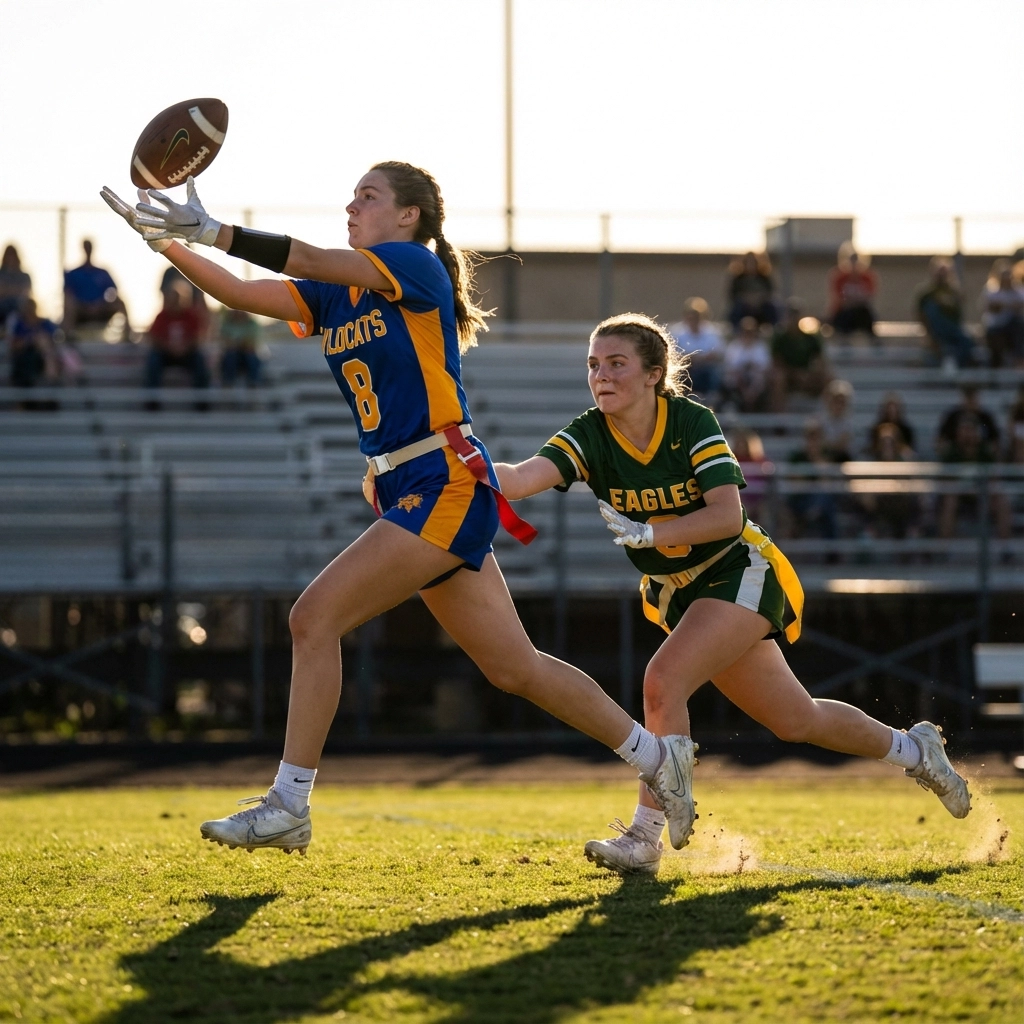
These invitations demonstrate a crucial point for parents: athletic participation at the youth level creates connections and experiences that directly translate into college opportunities and eventual career advantages in sports management. When your student-athlete competes at high levels, they're not just developing physical skills: they're building the network, understanding, and credibility that sports management employers value.
Building the Foundation: How Youth Sports Programs Develop Future Leaders
Our Girls Flag Football program exemplifies how strategic sports participation prepares students for sports management careers. With 11 OCPS middle schools confirmed for the spring season and over 160 girls already registered, we're witnessing the rapid growth that defines today's sports industry. Students participating in these programs aren't just learning to play: they're experiencing firsthand the logistics, marketing, and management that make sports organizations successful.
The expansion of girls' flag football represents exactly the kind of market growth that creates sports management career opportunities. Students who understand this growth from the inside, who've seen how leagues develop and programs expand, enter college with practical knowledge their classmates lack.
The Educational Bridge: From Competition to Career Preparation
Our annual Sports Management field trip to the UCF DeVos Sports Management Master's Program scheduled for February represents a critical bridge between athletic participation and academic preparation. This experience gives our student-athletes direct exposure to advanced sports management education and helps them understand the academic pathway to their career goals.

This trip is significant because it addresses a common gap in sports management preparation: many talented athletes don't fully understand the academic requirements and opportunities available in sports management programs. By exposing our students to master's level education early, we're helping them plan their undergraduate choices more strategically.
Diverse Programming: Preparing for a Multi-Faceted Industry
Sports management today requires understanding diverse sectors within the industry. Our programming reflects this reality through varied offerings that expose students to different aspects of sports business:
Esports Development: Our Fall Esports season wrapped up with strong improvements from players, and our Spring 2026 season launches in February. Esports represents one of the fastest-growing segments in sports management, with opportunities in event management, marketing, sponsorship, and digital media. Students gaining early exposure to esports develop comfort with technology integration and digital marketing that traditional sports management programs often overlook.
Skill Development Programs: Our batting cage training at Lebron's Batting Cages continues providing both team and private instruction opportunities. These programs teach students about facility management, instruction methodology, and the business of skills training: all relevant to sports management careers in coaching, facility operations, and program development.
Inclusive Programming: Our new Inclusive Golf Pilot Program for youth with autism, starting in January, showcases adaptive sports management. This growing field requires managers who understand accessibility, inclusive program design, and specialized marketing. Students exposed to these programs develop cultural competency and program management skills that set them apart in the job market.
Traditional Sports Foundation: Golf and Comprehensive Athletic Development
Golf programming continues through our partnership with First Tee and private lessons at Forest Lake Golf Club. Golf provides unique sports management insights because it combines individual athlete development with sophisticated business models including course management, tournament operations, and corporate partnerships. Students involved in golf programming naturally develop understanding of hospitality, event management, and corporate sales that translate directly to sports management careers.

Understanding the Business Side: From Participation to Management
Our launch of Adult Fitness Boot Camps at UCP West Orange Athletic Courts in January demonstrates another crucial aspect of sports management education: understanding diverse market segments. Today's sports managers work across youth sports, adult recreation, professional athletics, and fitness programming. Students who've seen programs developed for different demographics understand market analysis and program customization that many sports management students learn only theoretically.
Building Brand and Community: Essential Sports Management Skills
The launch of our official MB Sports Academy apparel store represents hands-on learning in sports marketing and brand management. Students seeing the development of branded merchandise understand retail operations, brand licensing, and fan engagement strategies. These experiences provide practical knowledge about revenue diversification that many sports management programs teach only in textbooks.
Community building through branded merchandise also teaches students about fan loyalty, brand identity, and the emotional connections that drive sports business success. These insights prove invaluable when students later study sports marketing and consumer behavior in college.
What Parents Should Know About Sports Management Education
Based on our experience preparing student-athletes for college and career success, here are key considerations for parents evaluating sports management programs:
Hands-On Experience Matters: Look for programs offering internships, industry partnerships, and real-world project opportunities. Our field trip to UCF demonstrates the importance of connecting students with working professionals and actual program environments.
Diverse Exposure Builds Versatility: Students with experience across multiple sports and program types adapt better to sports management programs that require understanding various industry segments. Our diverse programming from flag football to esports to golf gives students this breadth.
Leadership Development: Sports management careers require leadership skills. Programs that develop these skills through athletic participation, team management, and program leadership prepare students for management roles.

Technology Integration: Modern sports management requires comfort with digital platforms, social media marketing, and data analytics. Students with esports experience or technology-integrated programming develop these skills naturally.
Community Connection: Understanding how sports programs serve communities and build loyalty provides foundation for sports management careers in marketing, community relations, and program development.
The Academic Pathway: From Athletic Participation to Professional Success
Sports management degree programs typically include business fundamentals (accounting, economics, management), sports-specific coursework (sports law, marketing, analytics), and hands-on experience through internships and capstone projects. Students entering these programs with athletic background and practical sports business exposure excel because they understand the industry context for their academic learning.
Our students' success in earning prestigious athletic opportunities while developing business understanding through program participation represents the ideal preparation for sports management education. They enter college with both the athletic credibility and practical knowledge that make them standout candidates for competitive programs and eventual career opportunities.
Looking Forward: The Future of Sports Management Education
As we prepare for 2026, the sports industry continues evolving rapidly. Growth in areas like women's sports, esports, inclusive programming, and adult fitness creates new career opportunities for well-prepared sports management graduates. Students who've experienced this growth firsthand through quality youth programming enter college with industry insight their peers lack.
The expansion of girls' flag football, growth in esports, development of inclusive programming, and integration of technology across all our offerings reflects broader industry trends. Students participating in these evolving programs develop adaptability and innovation mindset that sports management employers increasingly value.
Building Leaders Through Sports and Mentorship
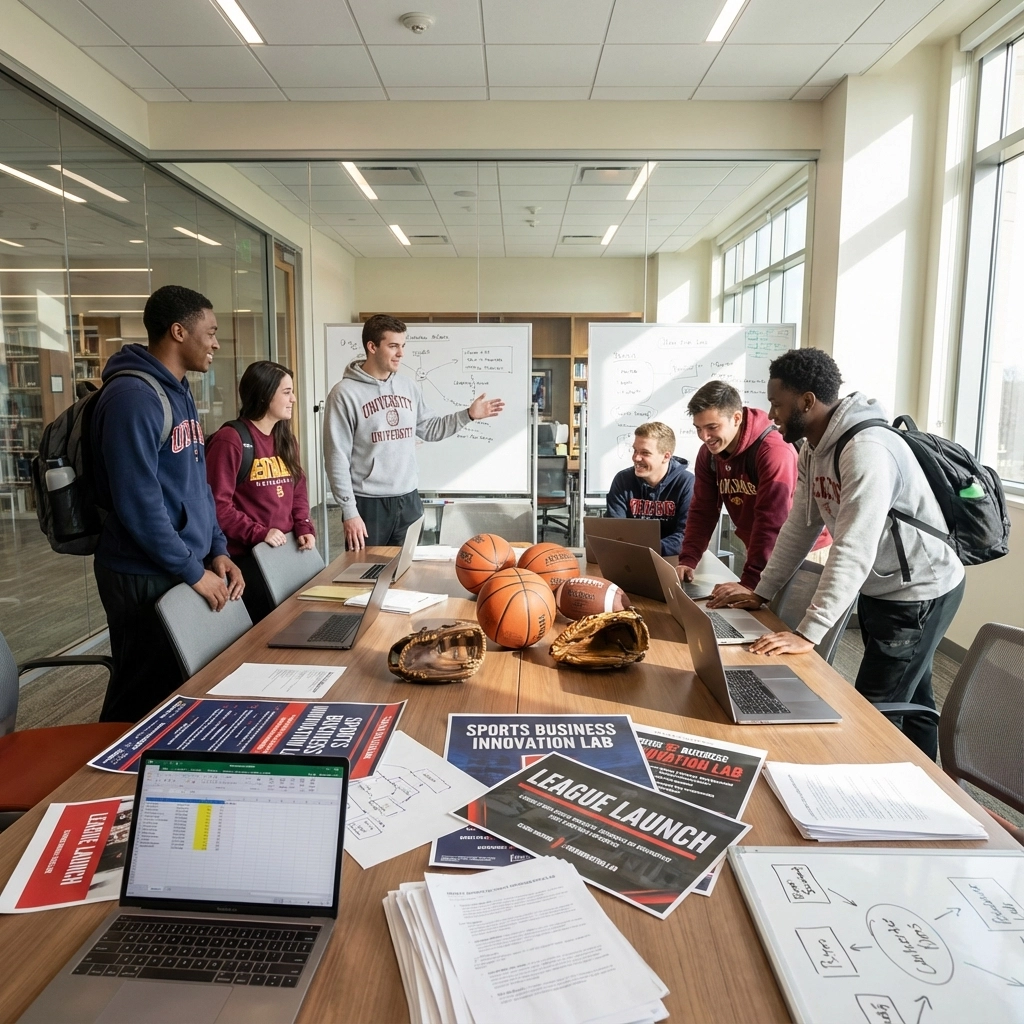
Our mission of building leaders through sports and mentorship directly aligns with sports management career preparation. The leadership skills, industry knowledge, and professional networks students develop through our programs provide foundation for successful sports management education and careers.
As we celebrate another successful semester and look toward 2026, we're grateful for the opportunity to prepare the next generation of sports leaders. The combination of athletic excellence, educational opportunity, and community connection creates the ideal environment for developing future sports management professionals.
For families considering sports management education paths, remember that the foundation begins with quality athletic programming that emphasizes leadership development, industry exposure, and academic preparation. The investment in comprehensive sports education pays dividends throughout college and career development in this dynamic, growing industry.
Comments