Sports Academy vs. Traditional Training: Which Is Better For Your Young Athlete in Orlando?
As a parent in Orlando, you've probably watched your child light up on the field, court, or track and wondered: "What's the best way to help them reach their potential?" With so many training options available: from traditional rec leagues to comprehensive sports academies: the choice can feel overwhelming.
The truth is, there's no one-size-fits-all answer. But understanding the key differences between modern sports academies and traditional training programs can help you make the right decision for your young athlete.
What Exactly Is a Sports Academy?
A sports academy isn't just about getting better at one sport. It's a comprehensive approach that treats your child as a complete person: not just an athlete. Think of it as the difference between getting a single tool and receiving an entire toolbox.
Modern sports academies like MB Sports Academy focus on what's called "holistic development." This means they're looking at four key areas:
Athletic Development: Multi-sport training that builds well-rounded athletes instead of early specialization Academic Integration: Keeping grades strong while pursuing athletic goals Life Skills: Teaching time management, leadership, and goal-setting Mental Performance: Building confidence, resilience, and a healthy relationship with competition
The academy model recognizes something important: the skills that make great athletes: discipline, teamwork, perseverance: are the same ones that create successful students and future leaders.
Traditional Training: The Foundation That Built Champions
Let's be clear: traditional training programs have produced countless successful athletes and shouldn't be dismissed. These programs, which include recreational leagues, club teams, and single-sport focus training, have been the backbone of youth sports for decades.
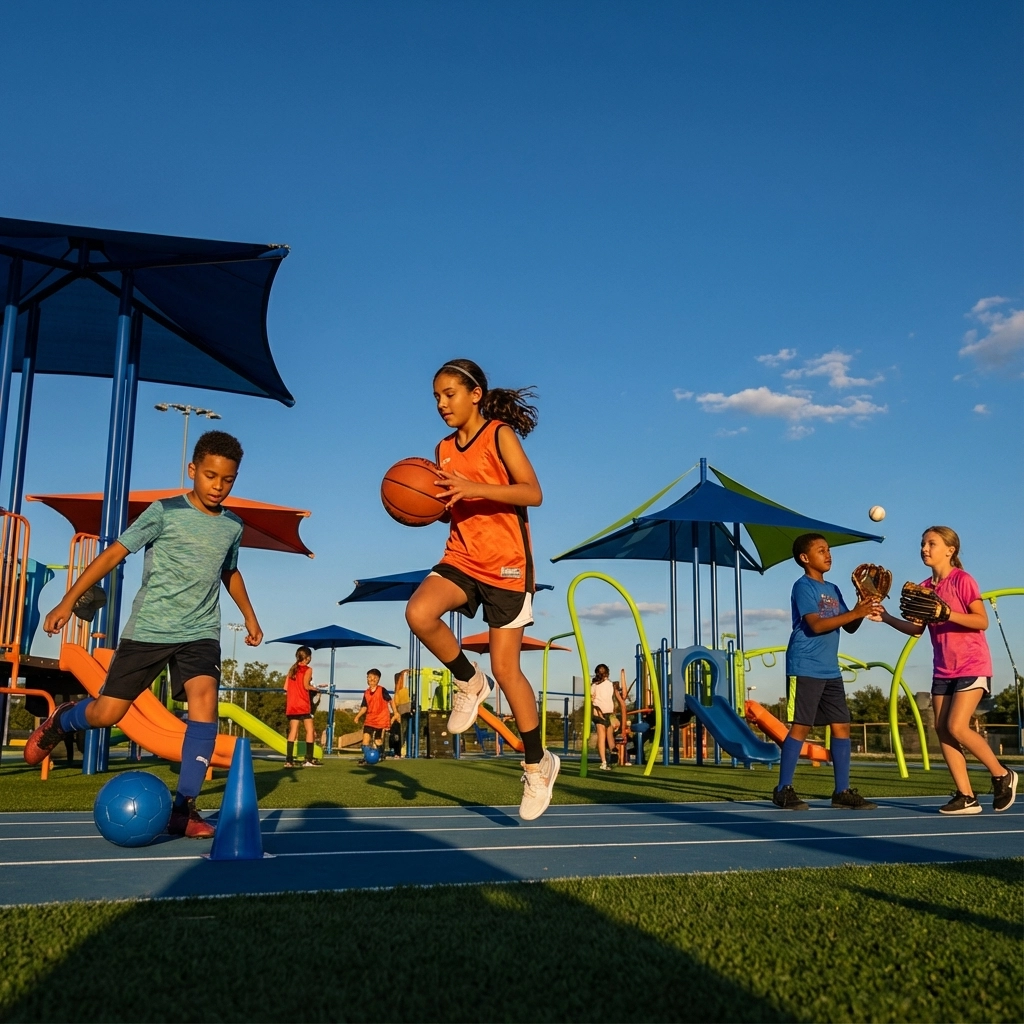
Traditional programs typically excel at:
Sport-Specific Skill Development: Deep focus on mastering the fundamentals of one sport Competition Experience: Regular games and tournaments that build competitive experience Community Connection: Local leagues that strengthen neighborhood and school relationships Affordability: Often more budget-friendly than comprehensive academy programs Flexibility: Seasonal commitments that allow time for other activities
Many traditional programs also offer excellent coaching and have strong track records of developing talent. The key is understanding what type of development your child needs most.
The Side-by-Side Comparison
When comparing these approaches, several factors stand out:
Training Philosophy
Sports Academies use a "cross-training" approach. Your soccer player might also work on basketball agility drills, baseball hand-eye coordination, and track conditioning. This builds better overall athletes and reduces injury risk.
Traditional Programs typically focus on sport-specific skills. If your child plays baseball, they'll spend most of their time on baseball fundamentals: which can be great for rapid skill development in that sport.
Academic Integration
This is where academies really shine. Programs like MB Sports Academy's sports management certificate teach student-athletes about the business side of sports while maintaining academic excellence.
Traditional programs usually operate separately from academics, which can work well for families who manage school and sports independently.
Individual Attention
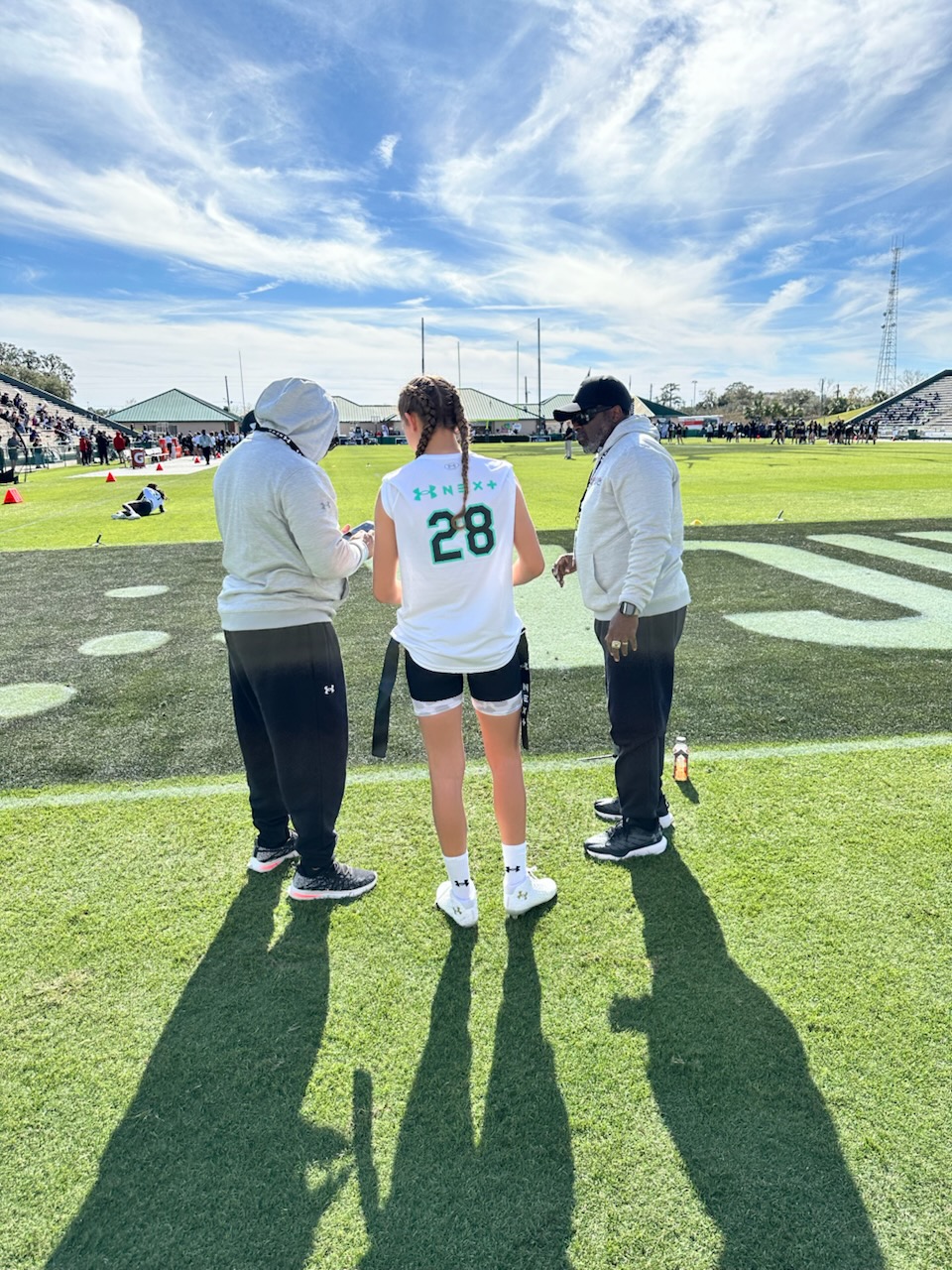
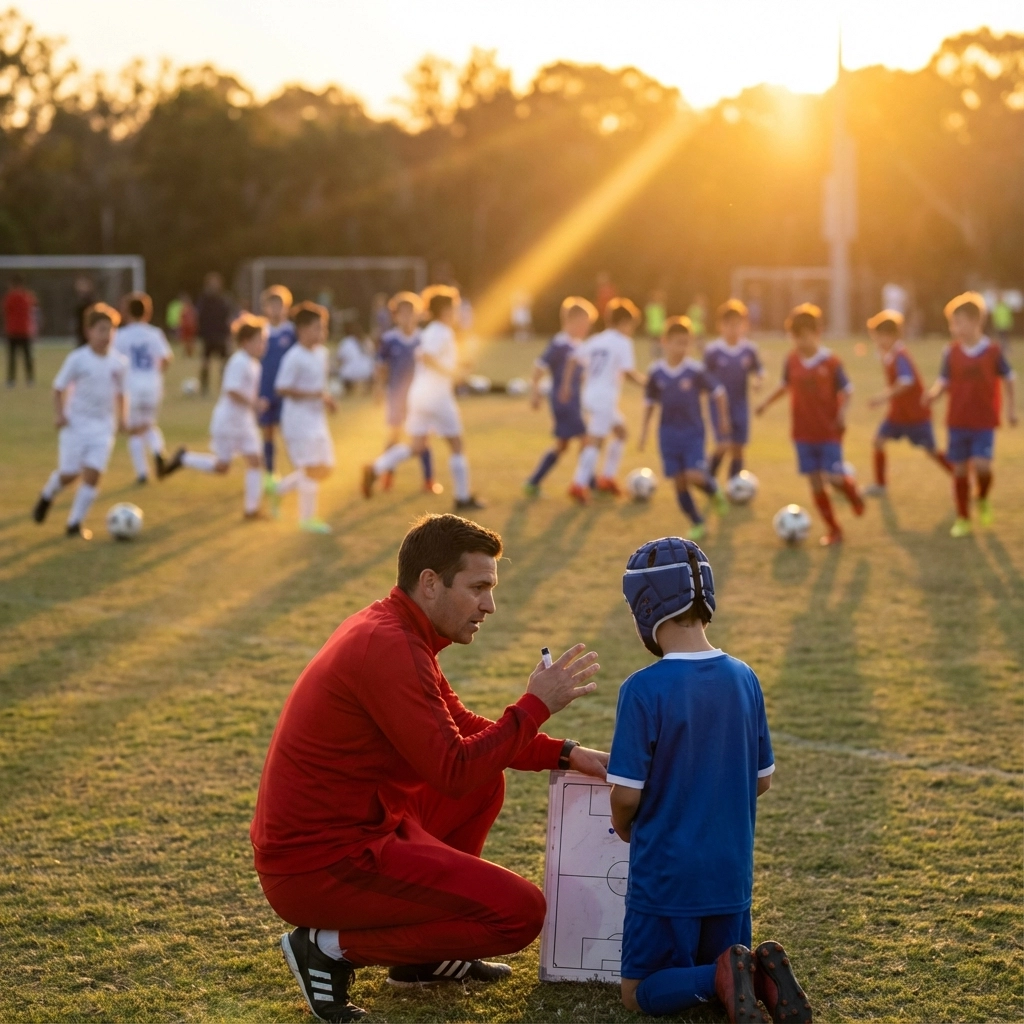
Sports academies typically offer more personalized attention. With smaller athlete-to-coach ratios, programs can be tailored to each athlete's strengths, weaknesses, and goals.
Traditional programs, especially recreational leagues, often have larger groups and less individualized coaching due to volunteer coach constraints and budget considerations.
Long-term Development
Academies focus on the complete journey: from youth development through college preparation and beyond. They're thinking about your 10-year-old's college recruitment strategy and life skills development.
Traditional programs are often more focused on immediate skill development and seasonal success.
Age-Specific Considerations for Orlando Families
Ages 7-10: Foundation Years At this age, both approaches can work well, but sports academies have an edge in preventing early burnout and building love for movement. The multi-sport approach is ideal for developing fundamental movement skills.
Ages 11-13: Decision Time This is when the differences become more apparent. If your athlete is serious about long-term development and you want academic integration, academies provide more comprehensive support. If your child loves one sport and thrives in a focused environment, traditional programs might suffice.
Ages 14-17: College Prep Years For athletes with college aspirations, sports academies often provide superior preparation. They understand recruiting timelines, NCAA requirements, and the academic standards needed for athletic scholarships.
The Hidden Costs and Benefits
Financial Investment: Sports academies typically cost more upfront but may provide better long-term value through scholarship opportunities and comprehensive development.
Time Commitment: Academies often require more time but handle more aspects of development, potentially simplifying your family's schedule.
Travel: Traditional local leagues involve less travel, while academies might require more commitment for specialized training and competitions.
Making the Right Choice for Your Family
Consider these questions:
What are your child's goals? Recreation and fun? College athletics? Professional sports?
How does your child learn best? Do they thrive with individual attention or in group settings?
What's your family's bandwidth? Can you manage academics and athletics separately, or do you need integrated support?
What's your child's personality? Are they self-motivated or do they need more structure and guidance?
The Orlando Advantage
Orlando's sports landscape offers both options in abundance. The year-round training weather and strong sports culture mean your child can excel in either traditional or academy settings.
For families considering the academy route, MB Sports Academy's holistic approach represents the next evolution in youth sports development: one that prepares athletes for success both on and off the field.
The Bottom Line
Neither approach is inherently better: they serve different needs. Traditional training excels at sport-specific development and community building, while sports academies provide comprehensive, long-term athlete development.
The best choice depends on your child's goals, learning style, and your family's priorities. Many successful athletes have thrived in both environments.
What matters most is finding a program: whether traditional or academy: that emphasizes quality coaching, age-appropriate development, and maintaining the joy in sports. Because at the end of the day, the goal isn't just developing better athletes; it's developing better people.
The decision you make today will shape not just your child's athletic future, but their character, work ethic, and life skills. Choose wisely, but remember: the most important ingredient in any program is your child's passion and commitment to growth.
Comments