Mentorship Matters: The Impact of Young Men's & Women's Huddle Groups at MB Sports Academy
In today's fast-paced world, young athletes need more than just technical training to reach their full potential. They need guidance, support, and someone who believes in their dreams. At MB Sports Academy, we understand that the most successful student-athletes are those who receive comprehensive mentorship that addresses not just their athletic abilities, but their academic performance and emotional well-being too.
That's why we've developed our Young Men's and Young Women's Huddle Groups: specialized mentorship programs designed to create safe spaces where middle and high school athletes can grow, learn, and thrive under the guidance of experienced mentors and role models.
What Are the Huddle Groups?
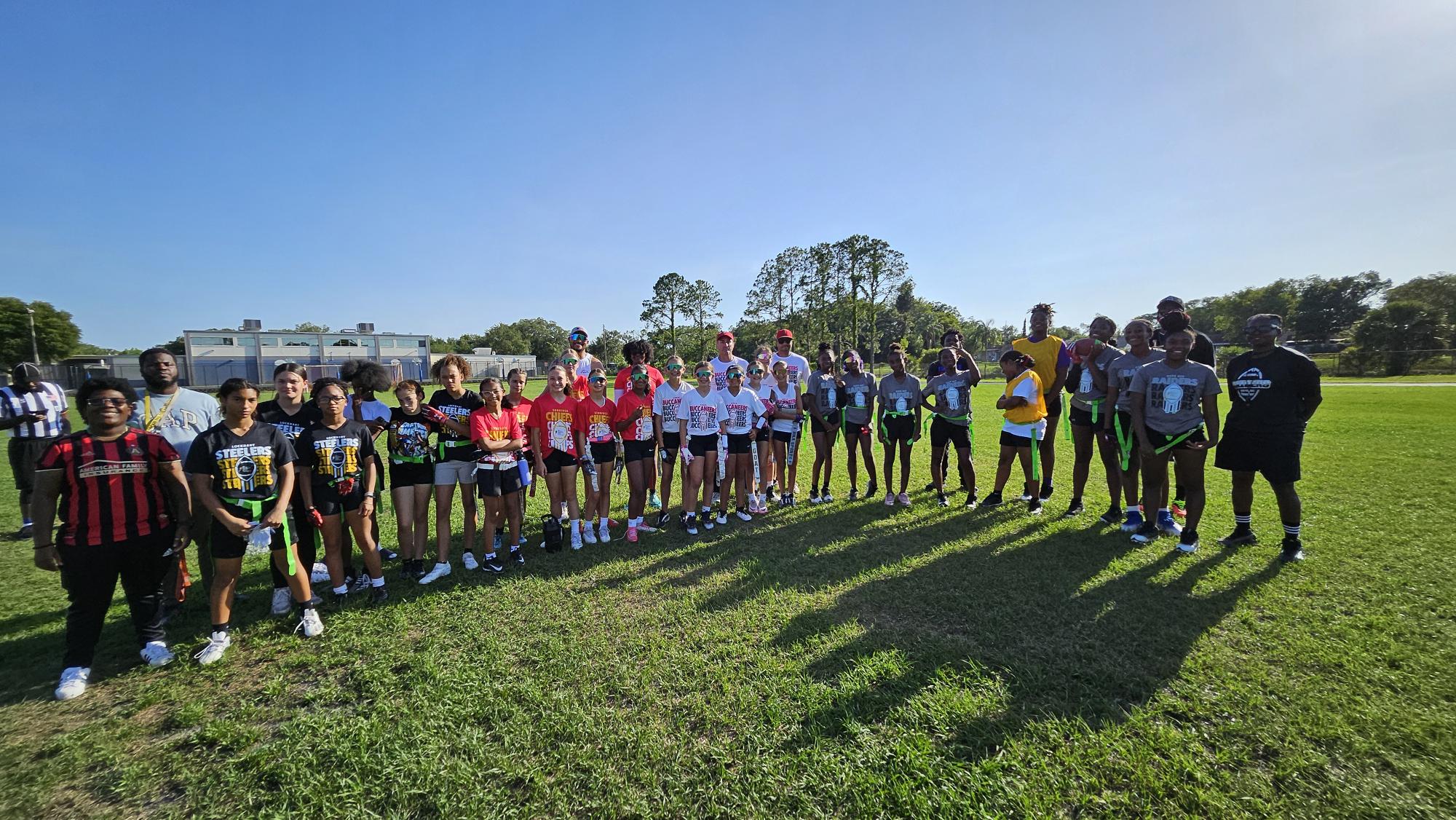
The Young Men's and Young Women's Huddle Groups are gender-specific mentorship programs that bring together small groups of student-athletes aged 12-18 for regular meetings focused on personal development, leadership skills, and life preparation. These aren't your typical team meetings: they're intimate settings where real conversations happen, authentic relationships form, and young people discover their potential beyond the playing field.
Each huddle group consists of 8-12 participants, ensuring that every voice is heard and every individual receives personalized attention. Our experienced mentors, who include former collegiate athletes, successful professionals, and trained youth development specialists, facilitate discussions that range from goal-setting and time management to handling pressure and building confidence.

Athletic Development Through Mentorship
While technical skills are crucial, the mental game often determines who succeeds and who falls short. Our huddle groups address the psychological aspects of athletic performance that traditional training sometimes overlooks.
Mental Resilience Building: Young athletes face constant pressure: from coaches, parents, peers, and themselves. In our huddle groups, they learn coping strategies for handling setbacks, managing pre-game nerves, and bouncing back from defeats. Mentors share their own experiences of overcoming challenges, making these lessons relatable and practical.
Goal Setting and Achievement: We teach participants how to set SMART goals (Specific, Measurable, Achievable, Relevant, Time-bound) for both short-term improvements and long-term athletic aspirations. More importantly, we help them break these goals down into actionable daily habits.
Leadership on and off the Field: Through role-playing exercises and real-world scenarios, huddle group members develop leadership skills that translate directly to team dynamics. They learn how to be supportive teammates, effective communicators, and positive influences in their athletic communities.
Academic Excellence as Foundation
Athletics and academics aren't separate worlds: they're interconnected aspects of a student-athlete's life that should support each other. Our huddle groups emphasize this connection through targeted academic mentorship.
Study Skills and Time Management: Balancing sports, school, and social life requires exceptional organizational skills. Mentors work with participants to develop personalized study schedules, effective note-taking techniques, and strategies for managing competing priorities.
College and Career Planning: For high school participants especially, huddle groups serve as college preparatory programs. We discuss scholarship opportunities, the reality of playing sports in college, and alternative career paths in sports management, coaching, and related fields. Our annual field trip to the UCF Sports Management program gives students firsthand exposure to potential career trajectories.
Academic Accountability: Regular check-ins ensure that participants maintain their academic standards. Mentors help identify early warning signs of academic struggles and connect students with additional resources when needed.
Emotional and Social Development
Perhaps the most impactful aspect of our huddle groups is their focus on emotional intelligence and social development. These skills often determine long-term success more than athletic ability or academic performance.
Building Healthy Relationships: Participants learn about communication, conflict resolution, and building authentic friendships. Gender-specific groups allow for open discussions about topics that might be difficult to address in mixed settings.
Self-Confidence and Identity: Many young athletes struggle with identity issues, especially when their self-worth becomes too closely tied to athletic performance. Huddle groups help participants develop a well-rounded sense of self that includes but isn't limited to their athletic abilities.
Handling Social Media and Public Pressure: In today's digital age, young athletes often face scrutiny on social media platforms. Mentors provide guidance on maintaining a positive online presence, dealing with criticism, and using social platforms constructively.
The Power of Role Models and Safe Spaces
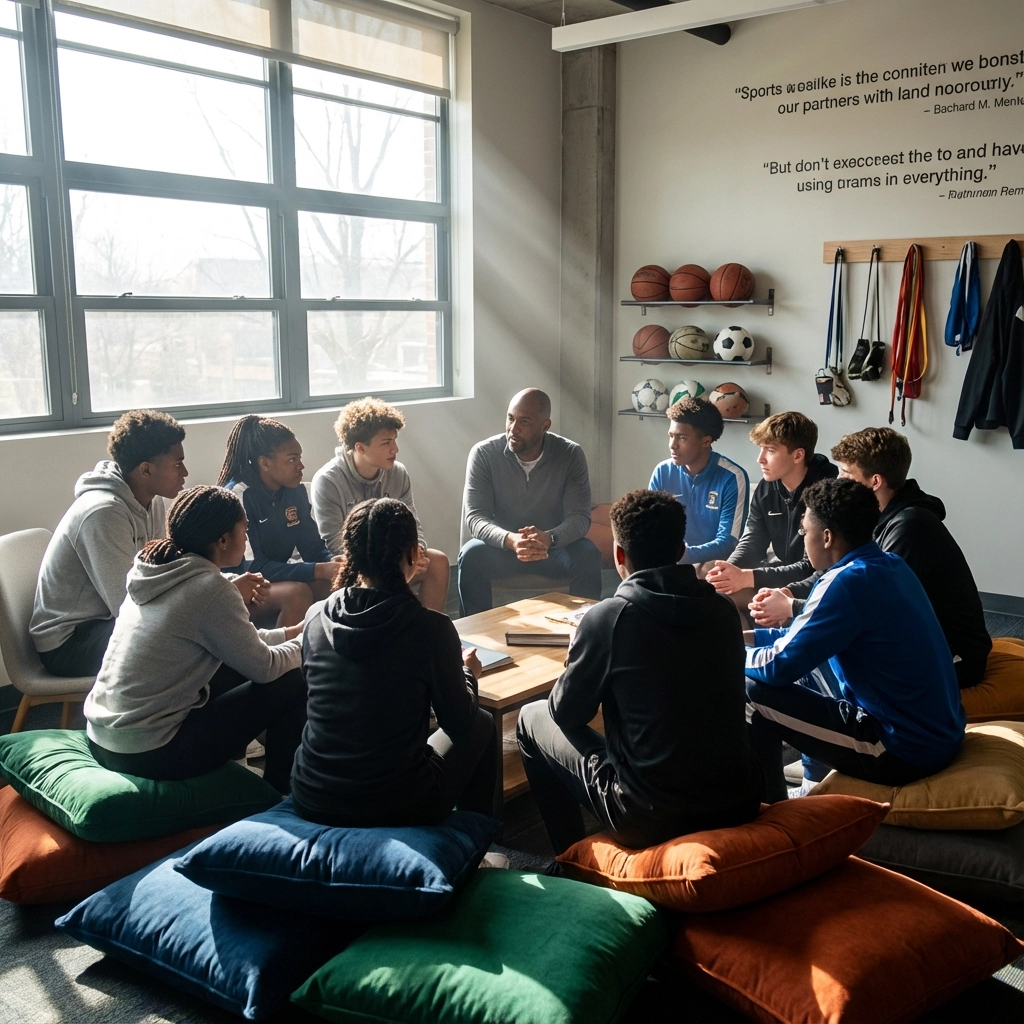
The huddle group format creates something invaluable: a judgment-free zone where young people can be vulnerable, ask difficult questions, and receive honest guidance from adults who've walked similar paths.
Diverse Mentorship: Our mentors come from various backgrounds: former athletes who played at different levels, professionals who've built successful careers after sports, and community leaders who understand the challenges facing today's youth. This diversity ensures that every participant can find someone they relate to.
Peer Learning: While mentors provide guidance, peer-to-peer learning is equally valuable. Participants learn from each other's experiences, celebrate each other's successes, and provide mutual support during challenging times.
Safe Space for Difficult Conversations: Topics like anxiety, family pressure, academic struggles, and social challenges are addressed openly and supportively. This creates an environment where asking for help is seen as a sign of strength, not weakness.
Age-Appropriate Programming
Recognizing that middle school and high school students face different challenges, our huddle groups are structured with age-appropriate content and activities.
Middle School Focus (Ages 12-14): Programs emphasize building foundational life skills, developing study habits, understanding team dynamics, and beginning to explore future interests. Activities include goal-setting workshops, basic financial literacy, and introduction to leadership concepts.
High School Focus (Ages 15-18): Advanced programming includes college preparation, scholarship guidance, career exploration, relationship building, and preparation for adult responsibilities. Participants engage in mock interviews, college application workshops, and leadership projects within their schools and communities.
Measurable Impact and Benefits
The results speak for themselves. Participants in our huddle groups consistently show improvement across multiple areas:
Academic Performance: 85% of regular participants maintain or improve their GPA during program participation. The structured support and accountability help students balance athletic commitments with academic excellence.
Athletic Development: Beyond physical skills, participants demonstrate improved mental resilience, better team leadership, and more consistent performance under pressure.
College Preparation: High school participants report feeling more confident about their college applications and have higher acceptance rates to their preferred institutions.
Personal Growth: Perhaps most importantly, participants develop stronger self-awareness, improved communication skills, and greater confidence in their ability to handle life's challenges.

Building Tomorrow's Leaders
The ultimate goal of our Young Men's and Young Women's Huddle Groups extends far beyond sports performance or academic achievement. We're developing the next generation of leaders: young people who understand that true success comes from helping others succeed too.
Participants learn to give back to their communities, mentor younger athletes, and become positive role models themselves. Many of our program graduates return as volunteer mentors, creating a continuous cycle of support and guidance.
Getting Involved
Our huddle groups meet weekly during the academic year, with special sessions during school breaks and summer programs. Participation is open to all MB Sports Academy athletes, regardless of their primary sport or skill level.
The investment in your child's holistic development through our mentorship programs pays dividends that extend far beyond their athletic career. These are life skills, relationships, and confidence builders that will serve them well in whatever path they choose to pursue.
At MB Sports Academy, we believe that mentorship matters because people matter. Our Young Men's and Young Women's Huddle Groups represent our commitment to developing not just better athletes, but better people. When we invest in the whole person: athletic, academic, and emotional development: we create individuals who are prepared to succeed in sports, in school, and in life.
The relationships formed, lessons learned, and confidence built in these huddle groups become the foundation for lifelong success. Because at the end of the day, the most important victories happen off the field, in the quiet moments when a young person realizes they have what it takes to achieve their dreams.
Comments