How to Raise a Confident, Injury-Proof Athlete in 2025: No Burnout Required
Youth sports in 2025 look dramatically different than they did even five years ago. Orlando parents are dealing with increased competition, earlier specialization pressure, and rising concerns about athlete burnout. At the same time, we're seeing unprecedented rates of youth sports injuries and mental health challenges among young athletes.
The solution isn't to pull back from athletics: it's to approach youth sports development with a smarter, more holistic strategy that builds genuine confidence while protecting your athlete's physical and mental well-being.
The Foundation: Building Unshakeable Confidence
True athletic confidence isn't about winning trophies or beating other kids. It's about developing an unshakeable belief in your child's ability to handle challenges, learn from setbacks, and improve through effort.
The most confident young athletes share one key trait: they've learned to connect their self-worth to their effort and growth, not their results. This mindset shift is fundamental because it creates resilience that extends far beyond sports.
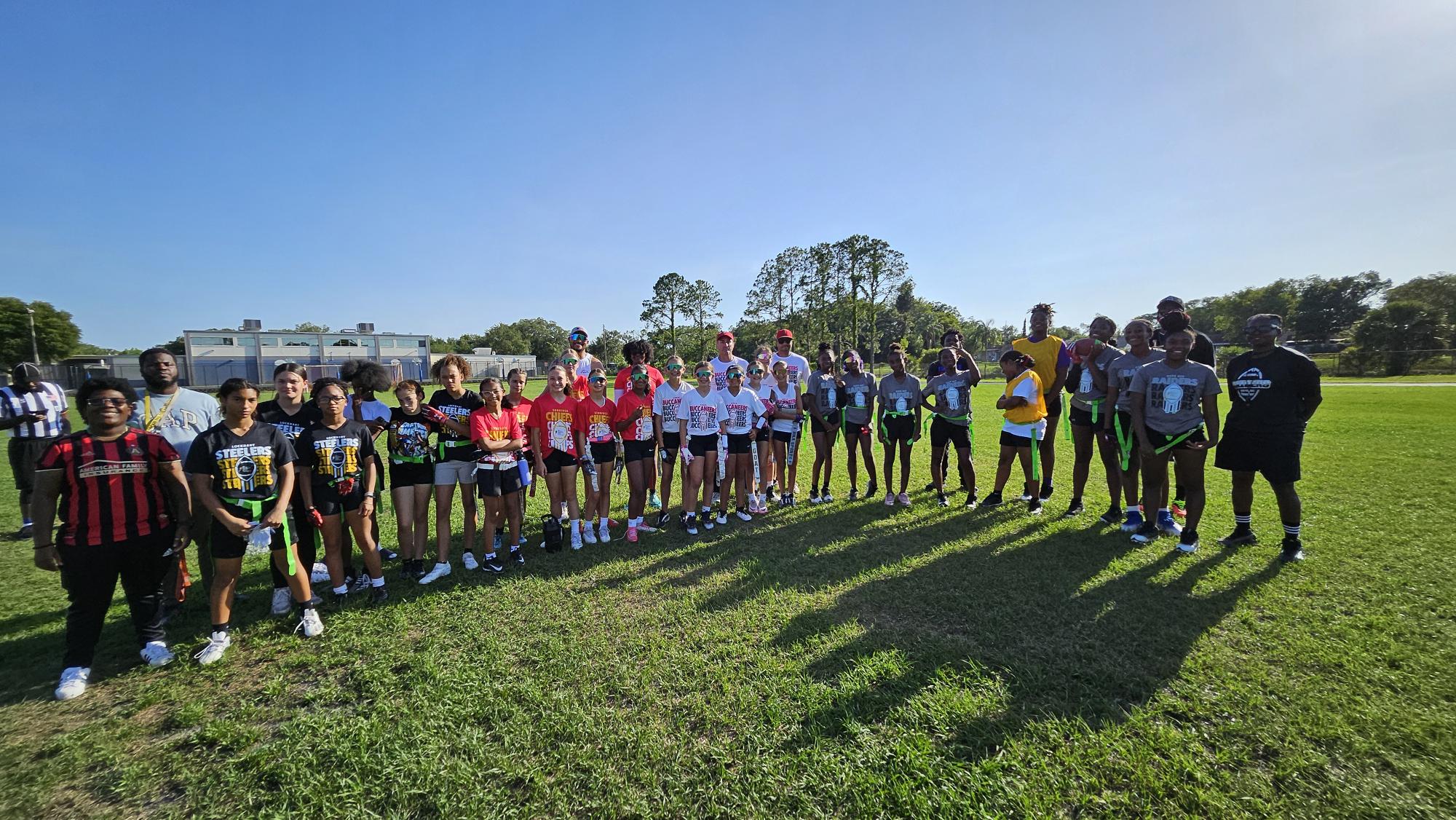
Start by teaching your athlete to set process goals instead of outcome goals. Rather than "I want to score 20 points," help them focus on "I want to improve my shooting form" or "I want to encourage three teammates today." These goals are entirely within their control and create a foundation of confidence that can't be shaken by external factors like referee calls or opponent skill level.
Mental skills training plays a crucial role here. Simple visualization techniques: where your athlete mentally rehearses successful performances: build neural pathways that increase actual performance confidence. Teach them positive self-talk patterns and basic breathing exercises to manage pre-game anxiety. These aren't just sports skills; they're life skills that transfer to academic performance, social situations, and future career challenges.
Injury Prevention Through Intelligent Training
Creating an "injury-proof" athlete isn't about making them invincible: it's about building robust physical literacy that dramatically reduces injury risk while increasing performance capacity.
The key is movement quality over movement quantity. Young athletes who master fundamental movement patterns: proper landing mechanics, core stability, and coordinated multi-directional movement: are significantly less likely to suffer both acute and overuse injuries.
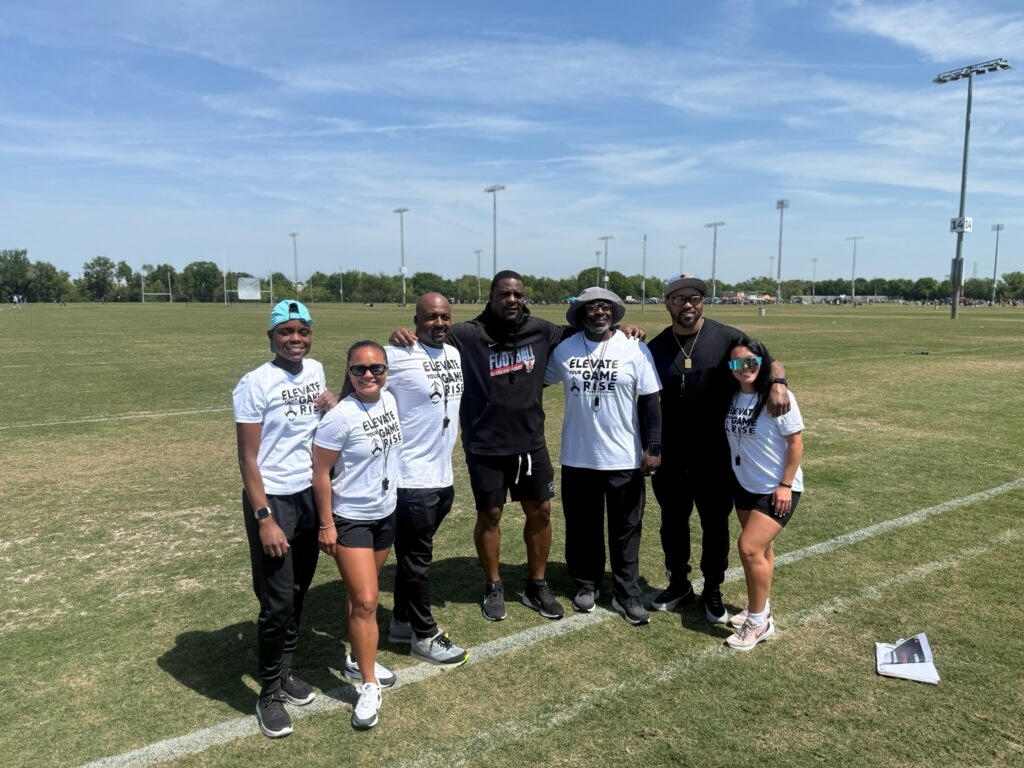
Cross-training is essential here. Athletes who participate in multiple sports develop better overall athleticism, improved proprioception (body awareness), and more balanced muscle development. A young athlete who plays soccer, swims, and does some gymnastics will have better injury resistance than one who plays only soccer year-round.
Recovery and load management are equally important. In 2025, we understand that adaptation happens during rest, not during training. Smart programs build in adequate recovery time and teach young athletes to listen to their bodies. This isn't just about preventing injuries: it's about optimizing the training effect and maintaining long-term motivation.
The Effort-Over-Outcome Revolution
The fastest way to burn out a young athlete is to make their self-worth dependent on results they can't fully control. Weather, officiating, opponent preparation, and dozens of other factors influence competition outcomes. What your athlete can control is their preparation, effort, and response to challenges.
This shift in focus is revolutionary for both confidence and burnout prevention. When athletes understand that their job is to bring their best effort: not to win at all costs: they can enjoy competition without the crushing pressure that leads to anxiety and eventual sport abandonment.

Practically, this means celebrating effort and improvement rather than just victories. After competitions, ask questions like "What did you do well today?" and "What would you like to work on?" rather than "Did you win?" This creates intrinsic motivation that sustains long-term athletic participation.
It also means choosing coaches and programs that share this philosophy. Look for coaching staff who emphasize player development over winning youth games, who rotate playing time to develop all athletes, and who teach athletes to support teammates rather than view them as competition.
Cross-Training: The Secret Weapon
Single-sport specialization before high school is one of the biggest mistakes parents make in 2025. Research consistently shows that early specialization increases injury risk, leads to higher burnout rates, and actually reduces the likelihood of achieving elite performance in the chosen sport.
Cross-training addresses all three concerns simultaneously. Athletes who play multiple sports develop better overall athleticism, maintain higher motivation through variety, and often perform better in their primary sport because of the complementary skills they develop elsewhere.
For Orlando families, this might mean combining traditional sports with activities like rock climbing, martial arts, swimming, or even dance. Each activity develops different physical and mental skills that transfer to overall athletic performance.
The key is ensuring that the total training load remains appropriate for your athlete's age and development level. More activities doesn't mean more total volume: it means smarter distribution of training stress across different movement patterns and energy systems.
Mental Health and the Power of Mentorship
Youth sports can be incredibly powerful tools for mental health development, but only when approached correctly. The right sports environment provides opportunities to build resilience, develop coping strategies, and create meaningful social connections.
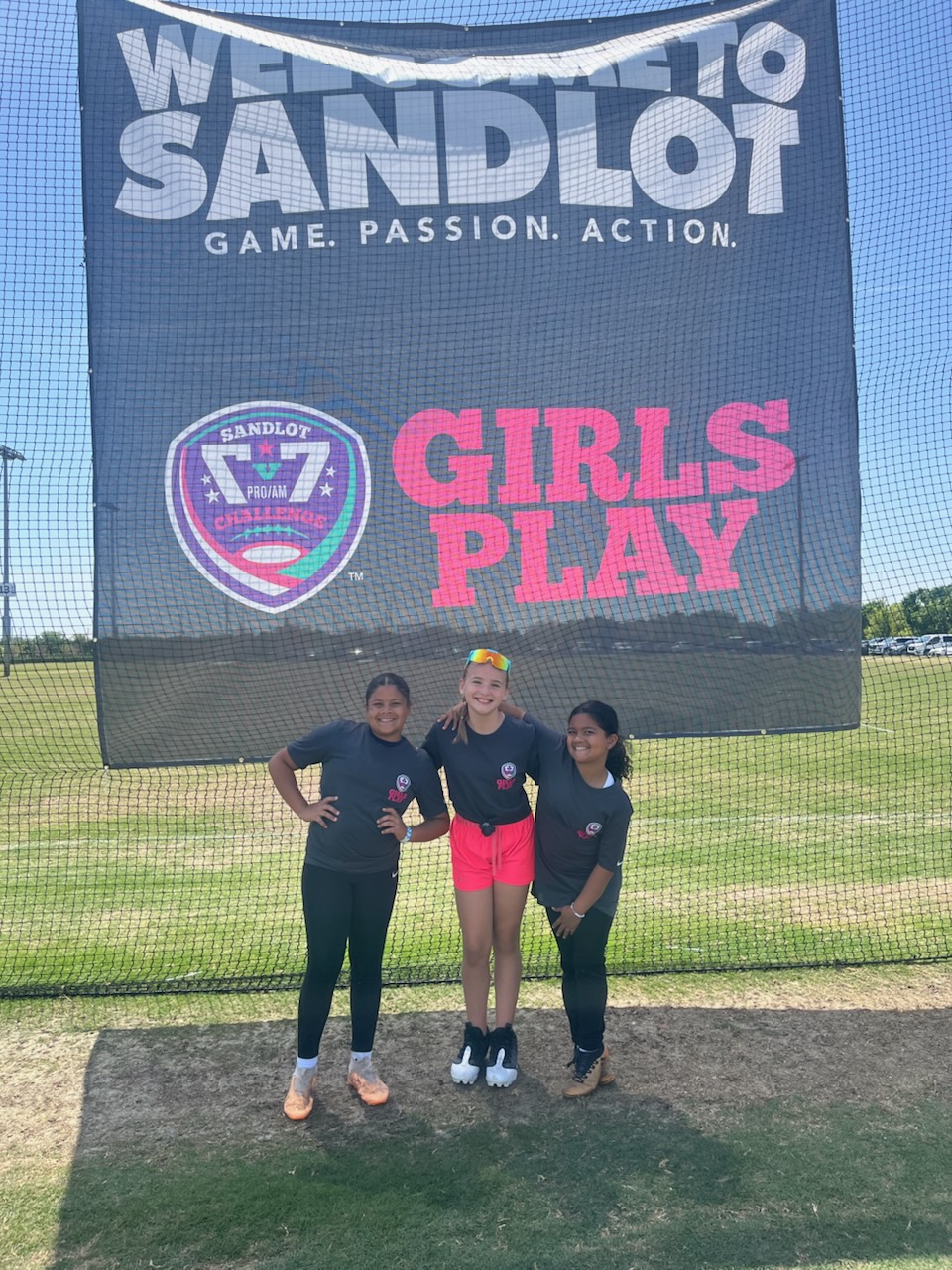
Mentorship is crucial here. Young athletes need adult figures who care about them as people, not just as performers. Quality coaches serve as mentors who help athletes navigate both sporting and life challenges, providing perspective and support that extends beyond the playing field.
Look for programs that emphasize character development alongside athletic skill development. Organizations that teach values like perseverance, teamwork, and integrity create environments where young athletes can explore their potential without fear of rejection or judgment.
The mental health benefits compound when athletes feel genuinely supported and valued for who they are, not just what they can contribute to team success.
Building Physical Fundamentals That Last
True physical development in youth sports isn't about creating mini-adults or pushing maximum performance. It's about building a foundation of movement competency, strength, and coordination that will serve your athlete throughout their life.
This means prioritizing fundamental movement skills: running, jumping, landing, throwing, catching, and change of direction. Athletes who master these basics early can adapt to virtually any sport and are less likely to develop movement compensations that lead to injury.
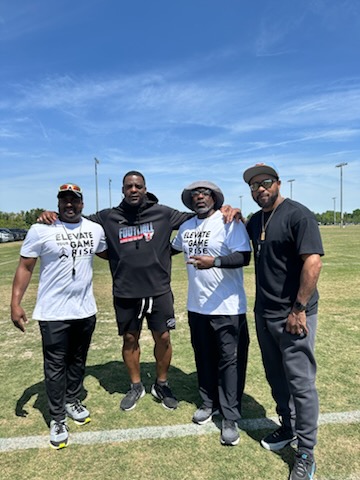
Strength training for young athletes should focus on bodyweight movements, coordination challenges, and gradual progression rather than heavy weights or advanced techniques. The goal is to build robust, resilient athletes who can handle the demands of sport participation while maintaining room for continued development.
Practical Implementation for Orlando Families
Implementing this holistic approach doesn't require completely overhauling your current athletic program. Start with small changes that align with these principles:
Choose coaches and programs that emphasize development over winning in youth competitions. Ask potential coaches about their philosophy regarding playing time, skill development, and how they handle mistakes and losses.
Encourage your athlete to try multiple activities, especially during elementary and middle school years. Resist the pressure to specialize early, even if it means potentially missing out on "elite" single-sport programs.
Focus your post-competition conversations on effort, improvement, and enjoyment rather than results. Help your athlete develop their own internal motivation rather than depending on external validation.
Prioritize adequate sleep, nutrition, and recovery time. These basics are often overlooked but are fundamental to both performance and injury prevention.
Most importantly, remember that the goal of youth sports participation is to develop confident, healthy, well-rounded young people who may or may not continue in athletics but who will carry the lessons learned through sport throughout their lives.
When we get the approach right, youth sports become a powerful tool for developing not just athletic ability, but character, resilience, and confidence that serves athletes in every area of their lives. That's the real victory: creating young people who are prepared to handle whatever challenges come their way, both on and off the field.
Comments