Are Single-Sport Academies Dead? Why Multi-Sport Training Dominates Florida in 2026
The youth sports landscape in Florida has undergone a dramatic transformation in 2026. Walk into any sports facility across Orlando, Tampa, or Miami, and you'll notice something striking: the old model of hyper-specialized, single-sport academies is rapidly giving way to comprehensive multi-sport training programs. This shift isn't just a trend: it's a fundamental rethinking of how we develop young athletes.
While single-sport academies aren't completely "dead," they're certainly on life support in many markets. The data tells a compelling story: enrollment in traditional single-sport facilities has dropped by nearly 40% across Florida since 2023, while multi-sport academies have seen unprecedented growth.
The Single-Sport Specialization Problem
For decades, parents believed that early specialization was the key to athletic success. The thinking was simple: focus on one sport from age 8, practice year-round, and maximize the chances of earning a college scholarship. This approach led to the proliferation of tennis academies, baseball-only facilities, and soccer clubs that demanded 12-month commitments from elementary school children.
The results have been sobering. Studies now show that early specialization leads to higher injury rates, increased burnout, and paradoxically, lower chances of reaching elite levels in any sport. The American Academy of Pediatrics reports that overuse injuries in youth athletes have increased by 70% since 2010, with single-sport athletes showing the highest rates.
Dr. Sarah Martinez, a sports medicine physician at Orlando Health, explains: "We're seeing 12-year-olds with the injury patterns of college athletes. When a child plays baseball 11 months a year, their shoulder and elbow don't get the recovery time they need for healthy development."

Beyond physical concerns, the psychological toll is equally significant. The pressure to excel in one sport creates an all-or-nothing mentality that leaves young athletes feeling trapped. When their identity becomes completely tied to performance in a single activity, any setback becomes devastating.
The Multi-Sport Revolution
Florida's embrace of multi-sport training represents a return to athletic fundamentals. The most successful professional athletes: from Tom Brady to Serena Williams: were multi-sport athletes in their youth. They developed diverse movement patterns, learned different strategic concepts, and built the well-rounded athleticism that served them throughout their careers.
Multi-sport training addresses the core weaknesses of specialization:
Injury Prevention: Different sports stress different muscle groups and movement patterns. A football player who also swims develops better shoulder stability. A soccer player who plays basketball improves lateral movement and hand-eye coordination.
Mental Freshness: Variety prevents burnout. When an athlete struggles in one sport, success in another maintains confidence and motivation.
Skill Transfer: Athletic skills learned in one sport often enhance performance in others. The quick decision-making required in basketball translates beautifully to football. The precision needed in tennis improves fine motor skills for baseball.
Long-term Development: Research consistently shows that athletes who play multiple sports until age 14-16 have better overall athletic development and longer competitive careers.
Florida's Multi-Sport Boom
Several factors have made Florida particularly receptive to the multi-sport model. The state's year-round athletic climate allows for seamless transitions between sports seasons. Additionally, the growing awareness of college recruiting trends has influenced parent decisions.
College coaches increasingly prefer multi-sport athletes. They want players who can think strategically, adapt quickly, and bring diverse athletic experiences to their programs. A 2025 study of Division I recruiters found that 78% prefer athletes with multi-sport backgrounds, even in traditionally specialized sports like golf and tennis.

The economic reality has also shifted. Running multiple single-sport programs is expensive and inefficient. Facilities that offer diverse programming can serve more families while providing better value. Parents are increasingly choosing academies that offer comprehensive development over narrow specialization.
MB Sports Academy: Leading the Multi-Sport Movement
At the forefront of this transformation stands MB Sports Academy, which has become a model for what modern youth athletics should look like. Rather than forcing athletes into single-sport silos, MB Sports Academy offers integrated programming that allows young athletes to develop holistically.
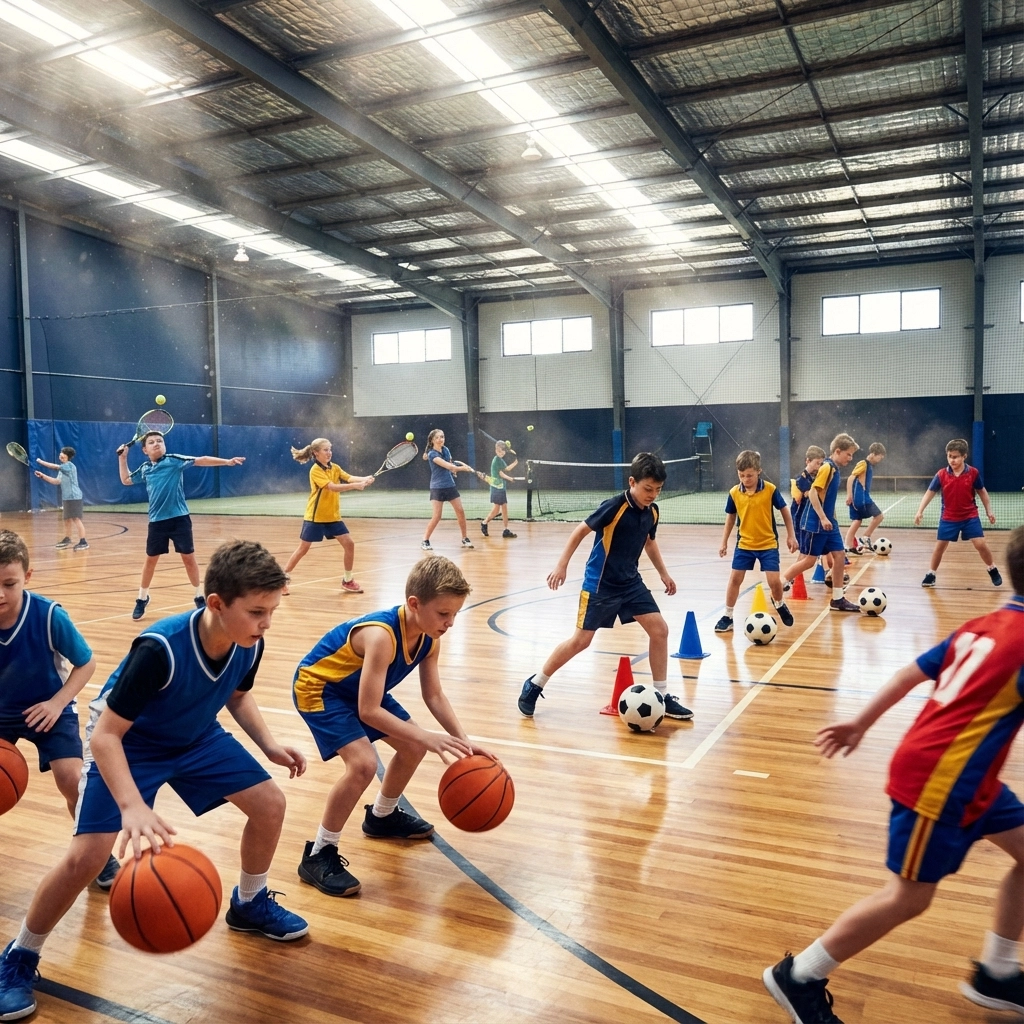
Their approach recognizes that an 8-year-old learning fundamentals benefits from exposure to multiple sports. A typical week might include baseball fundamentals, soccer conditioning, basketball scrimmages, and flag football strategy sessions. This variety keeps young athletes engaged while building comprehensive athletic skills.
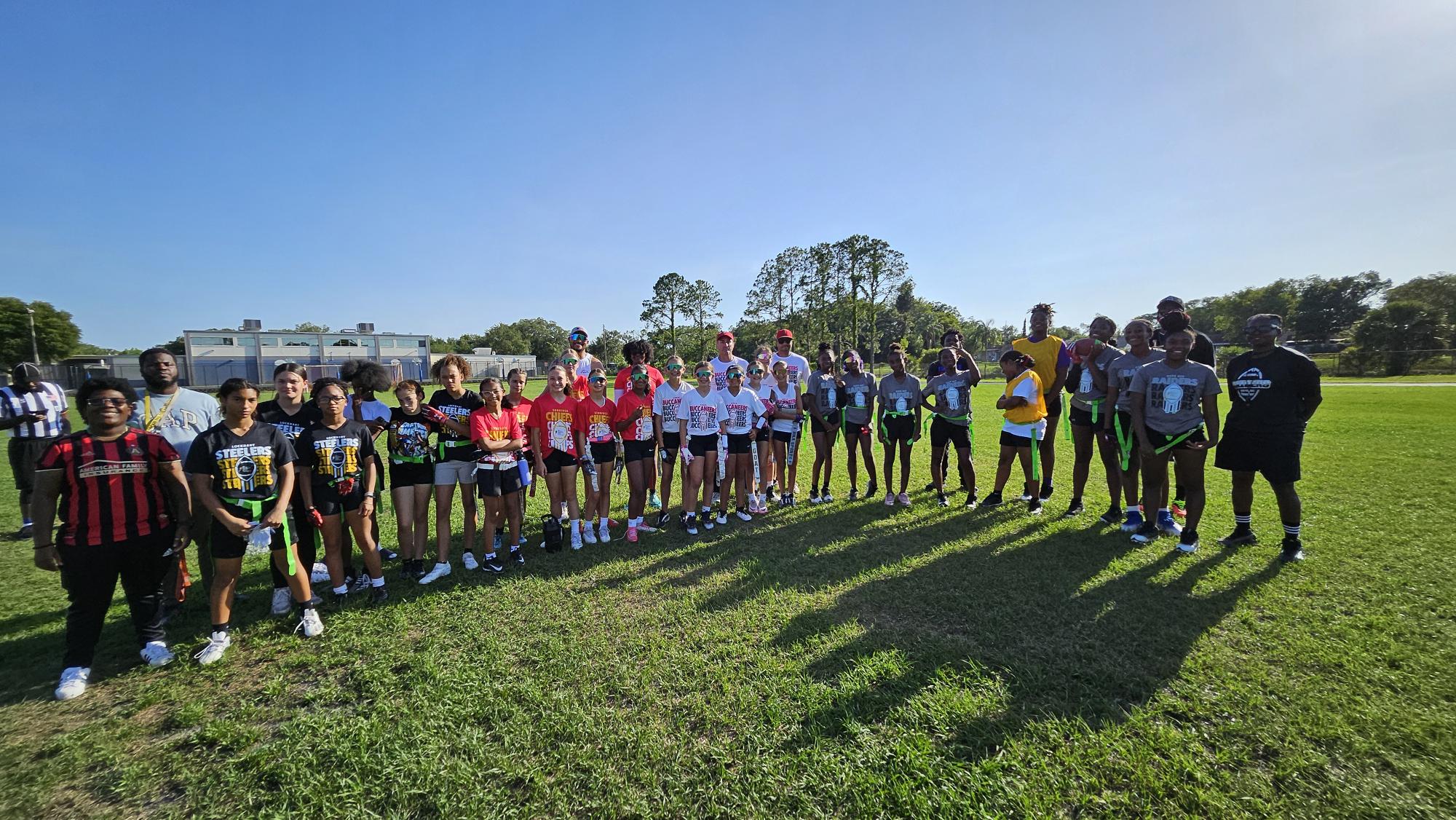
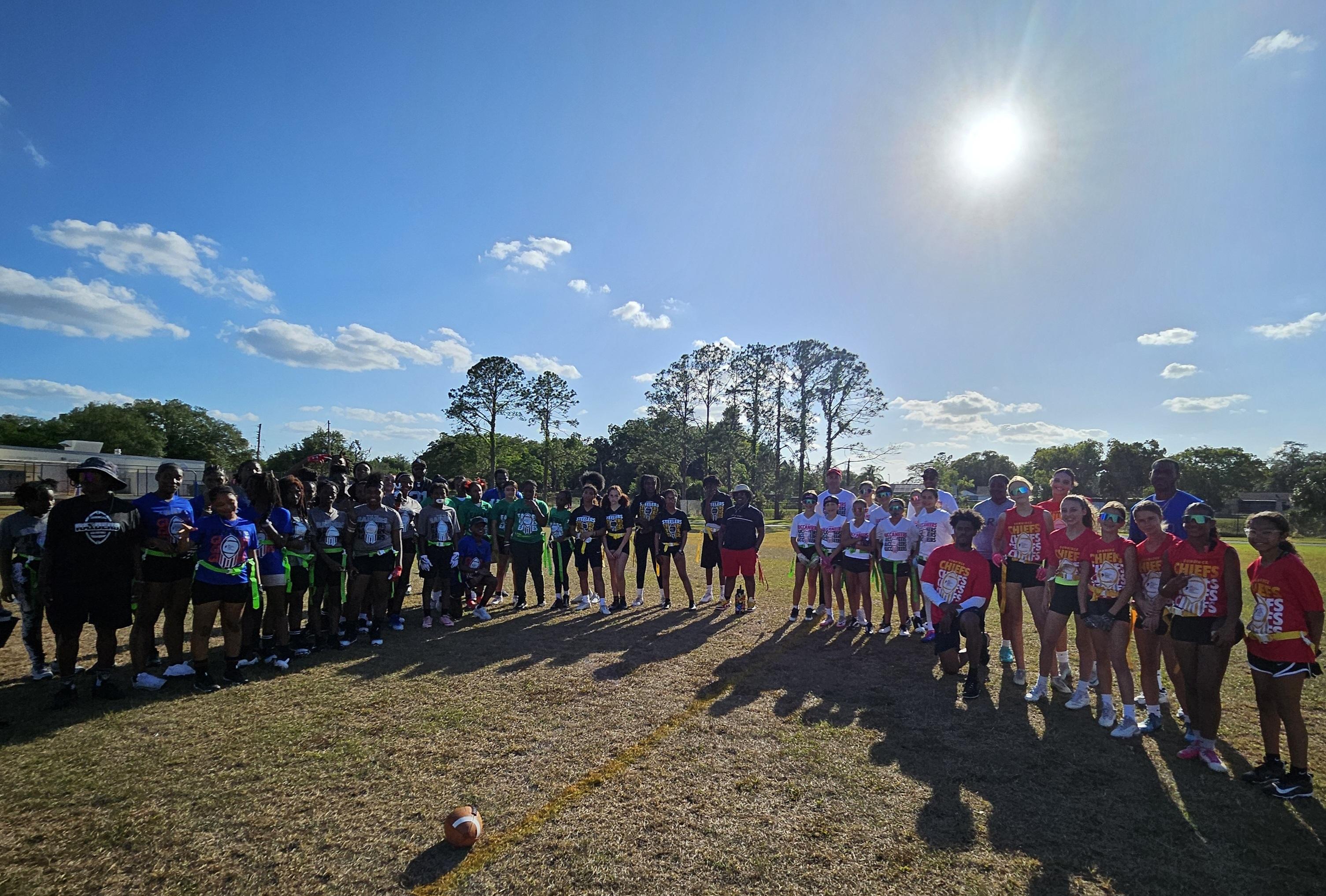
The academy's flag football program exemplifies this philosophy. As flag football prepares for its Olympic debut in 2028, MB Sports Academy has positioned itself at the forefront of this growing sport while maintaining connections to traditional football, soccer, and other athletic disciplines.
"We're not trying to create specialists at age 10," explains Michael Bonneville, CEO of MB Sports Academy. "We're building athletes who love movement, understand strategy across different sports, and have the physical literacy to excel wherever their passion takes them."
The Science Behind Multi-Sport Success
Recent research from the University of Florida's Sports Science Institute validates the multi-sport approach. Their longitudinal study of 500 youth athletes found that those who participated in three or more sports showed:
35% fewer overuse injuries
Higher overall athletic performance scores
Better academic performance (likely due to improved executive function)
Greater long-term sports participation rates
Higher reported enjoyment levels
The neurological benefits are particularly compelling. Different sports challenge the brain in unique ways, building neural pathways that enhance overall cognitive function. A gymnast develops spatial awareness differently than a swimmer, and athletes who experience both develop more robust brain function.
What Parents Should Look For
As single-sport academies continue to lose market share, parents need to know how to identify quality multi-sport programs. The best facilities share several characteristics:
Age-Appropriate Progression: Young athletes (ages 7-12) should focus on fundamental movement skills across multiple sports. Specialization discussions shouldn't begin until age 14-16.
Qualified Coaching: Look for coaches who understand child development and have experience across multiple sports, not just former college specialists teaching their sport to children.
Injury Prevention Focus: Quality programs emphasize proper movement mechanics, adequate recovery, and age-appropriate training loads.
Fun-First Philosophy: If young athletes aren't having fun, they won't continue. The best programs maintain competitive standards while keeping joy in movement as the primary goal.
Clear Communication: Reputable academies should clearly explain their philosophy and be willing to discuss how their approach benefits long-term athletic development.
The Future of Youth Sports in Florida
The trends suggest that 2026 is just the beginning of this transformation. As more research validates the multi-sport approach and college recruiting continues to favor well-rounded athletes, the advantages for multi-sport academies will only grow.
Single-sport academies that refuse to adapt will continue struggling with declining enrollment and relevance. Those that evolve: perhaps by partnering with multi-sport facilities or expanding their offerings: may find new life in the changing market.
For Florida families, this shift represents an opportunity to give their young athletes the best possible foundation for lifelong athletic success. The question isn't whether to choose multi-sport training: it's which program will best serve your child's development.
The future belongs to facilities that understand that athletic development is about more than mastering one sport. It's about building confident, resilient, well-rounded young people who happen to be exceptional athletes. In Florida's competitive youth sports landscape, that approach is proving to be the winning strategy.
The single-sport academy model isn't entirely dead, but its dominance is certainly over. The future: and the present: belongs to comprehensive athletic development that prepares young athletes for success in sports and life.
Comments